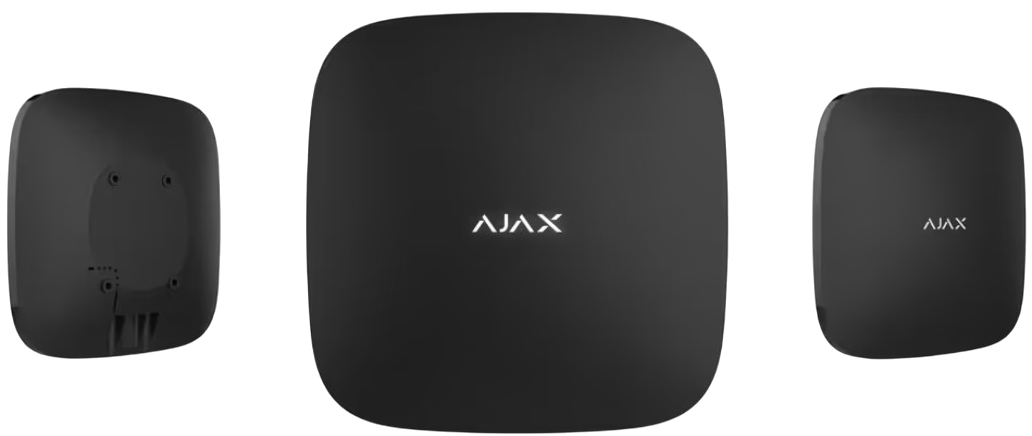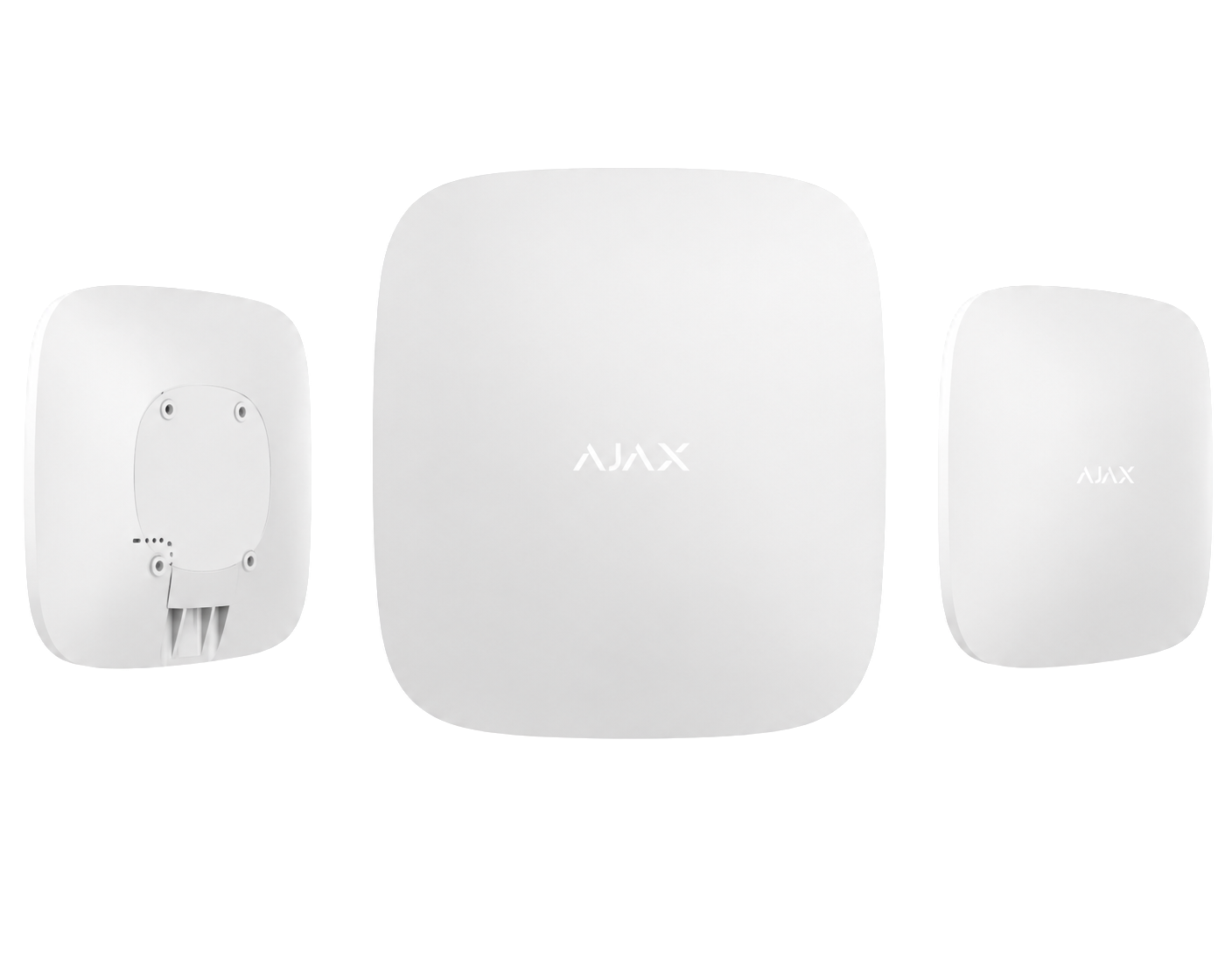
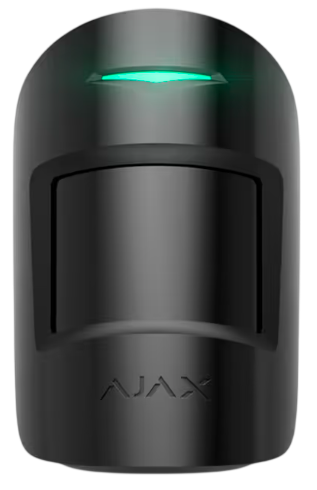
MOTION PROTECT ( BLACK )
(AJAX)
Motion detectors form the core of security systems. Recognizing their pivotal role, we created MotionProtect Jeweller — a misleadingly simple yet powerful motion detector for optimal reliability and ease of use. Its cutting-edge hardware and software algorithms reduce the amount of false alarms to almost zero. With a sleek design, detectors are seamlessly integrated into any space. Installation is simplified with wireless capabilities and the SmartBracket mounting panel, while remote configuration eliminates the need for on-site visits to solve minor requests.
What is a motion detector — types of security sensors and how to choose
The motion sensor is a compact device, part of the security alarm system, detecting and recording movement in the protected area. Security motion detectors are installed in public buildings, residential buildings, apartments, offices, etc. The most common is a security motion sensor, which detects changes in the heat flux emitted by the human body when crossing protected areas.
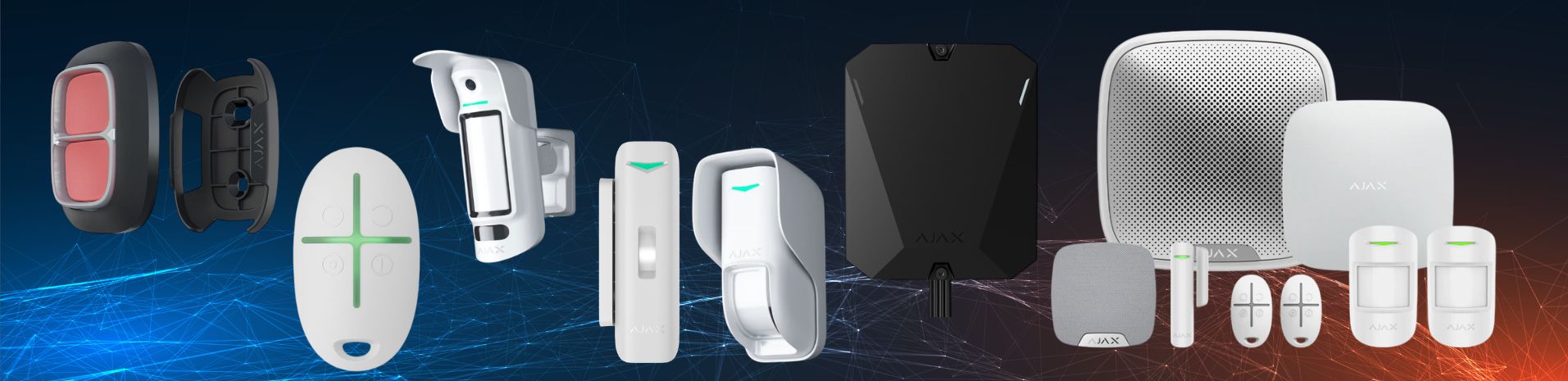
Types of security motion sensors
Each of the above sensors has a suitable application and different functions.
Infrared (IR) motion sensors. How an infrared motion sensor works
The principle of operation of infrared motion sensors is to analyse and detect changes in the thermal radiation of surrounding objects. Each object with a temperature emits infrared heat. A system of lenses or uniquely concave segmented mirrors enters a sensitive sensor inside the security motion detector, which registers changes. During the movement of an object, detectors' IR radiation by various lenses of the system is alternately focused on the sensor (the number of lenses usually varies from twenty to sixty). This is a signal to perform the function laid down in the sensor. The sensitivity of the motion detector depends on the number of lenses in its system; the more lenses – the higher the sensitivity. Also, the larger the surface area of the lens system, the wider the field of view of the motion sensor.
Ultrasonic (US) motion sensors. The principle of their action
Using ultrasound, an ultrasonic sensor examines the surrounding space with sound waves – a frequency beyond the human ear's hearing range. The ultrasonic sensor launches the function embedded in it due to detecting a change in the frequency of the reflected signal after fixing the movement of objects.
How an ultrasonic motion sensor works
A sound wave generator is located inside the ultrasonic motion sensor. The sound wave frequency is usually 20-60 kHz, depending on the manufacturer and model, which is emitted in the sensor range and returned to the receiver after being reflected from the surrounding objects. When a moving object appears in the sensor's field of view, the wave's frequency is reflected by the object changes (Doppler effect). The sensor receiver records the action from which a signal is received to perform the function embedded in the ultrasonic motion sensor. This can be the switching on of the lighting or the reaction of the security system. Ultrasonic security motion detectors are used in residential premises, especially in long corridors, stairs, etc. Also, ultrasonic motion detectors are widely used in the automotive industry: in automatic parking systems and monitoring systems for "blind" zones.
How a microwave motion sensor works
The operation of an ultrasonic motion sensor is based on the interaction of microwave waves with a material and the use of the Doppler effect – a change in the frequency of a wave reflected from moving objects. The microwave sensor operates in the microwave range, and its wavelength ranges from one millimetre to one metre. The microwave sensor registers a moving conductive object in the detection zone, after which a signal is sent to perform the function built into the sensor.
Combined motion sensors. The principle of their operation
Combined motion detectors use several motion detection technologies, such as infrared and microwave. This device is suitable for use if you need the most accurate determination of movements in the sensor range. Parallel working motion detection channels make such a sensor productive because they complement each other, replacing the disadvantages of some technologies with the advantages of others. Most commonly, there are two types of sensors: infrared and microwave.
Infrared motion detector MotionProtect Jeweller
MotionProtect Jeweller is a wireless indoor motion detector that detects unauthorised intrusion into a protected facility.
Principle of operation
MotionProtect Jeweller wireless motion detector is designed to detect human movement in a protected area. The sensitivity of the room sensor is adjustable. The principle of operation of a wireless motion sensor is based on detecting infrared (IR) radiation from a living creature. As soon as the sensor detects radiation, it analyses the mass of an object, and if it exceeds 20 kg, sends an alarm signal via a radio channel to the central security alarm unit. The algorithm for processing the incoming signal provides an additional check of the object for the presence of movement and its mass. This verification minimises false responses to pets. Accordingly, the sensor is triggered only when a person's motion is detected.
The sensor does not respond to the movement of inanimate objects. The device will not work if, for example, something accidentally falls in the room or a draught opens the room door. The protection of the signalling against hacking attempts by intruders is ensured by a wireless radio communication system that uses message encryption and protection against forgery. In addition, it allows the motion sensor to work within several floors of a building or at a distance of up to 1700 m in an open area from an intelligent control panel. The signal range in closed rooms depends on the number of storeys, wall thickness and sources of electromagnetic interference. You can connect a Rex- signal range booster if the coverage area is large and the sensor signal is insufficient for stable reception. The security sensor is compatible with all wired control panels provided by the Ajax Oxbridge Plus radio detector receiver. This makes it possible to connect up to 45-second-generation Ajax wireless devices. A wireless motion detector can be used to guard any objects: apartments, private houses, cottages, offices, shops, warehouses, industrial premises, etc.
The advantage of the Ajax MotionProtect Jeweller detector is a simple installation using an intelligent mount. The user does not need to disassemble the sensor housing to install the device. The motion sensor is one of the most common burglar alarms, so this is a significant plus for the device.
Installation of an MotionProtect Jeweller room detector and installation errors
The MotionProtect Jeweller security detector is designed for indoor installation. The temperature range of the motion detector is from -10°C to + 40°С. The monitored area and the very effectiveness of the security system depend on the sensor's location. The location of the room sensor will depend on the distance to the Hub–intelligent control panel and the presence of obstacles between the devices that impede the passage of the radio signal: walls, inter–floor ceilings and large objects in the room. The user must ensure that furniture, houseplants or decorative objects do not obstruct the sensor's field of view.
Issues with installing IR motion detector MotionProtect Jeweller
Installation of the motion detector outdoors is not recommended – the IR sensor is not intended for this. Also, do not install the sensor in the direction of the window to avoid direct sunlight on the lens and near metal objects and mirrors – they cause attenuation or screening of the radio signal. The installation height is also significant because the sensor's motion detection area will be lower if you do not follow the instructions. The recommended height for placing the device is 2.5 m. Non-recommended mounting locations for the sensor include: