COMBI PROTECT ( WHITE )
(AJAX)
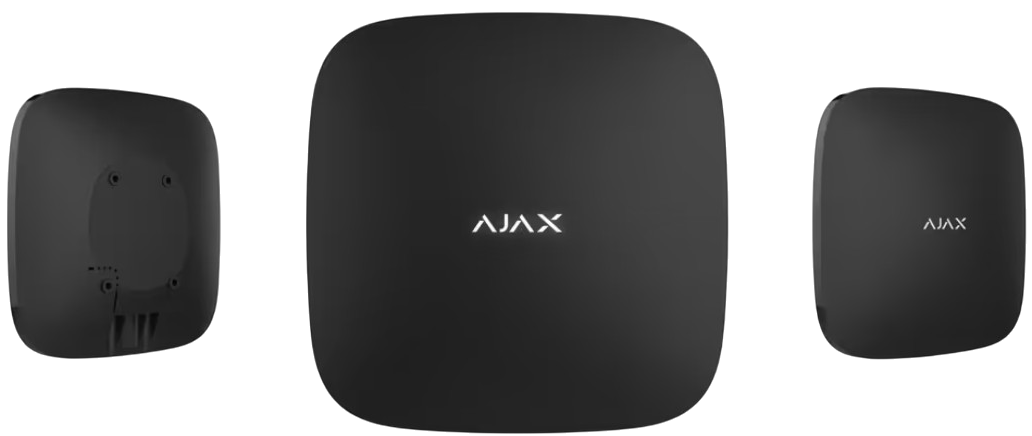
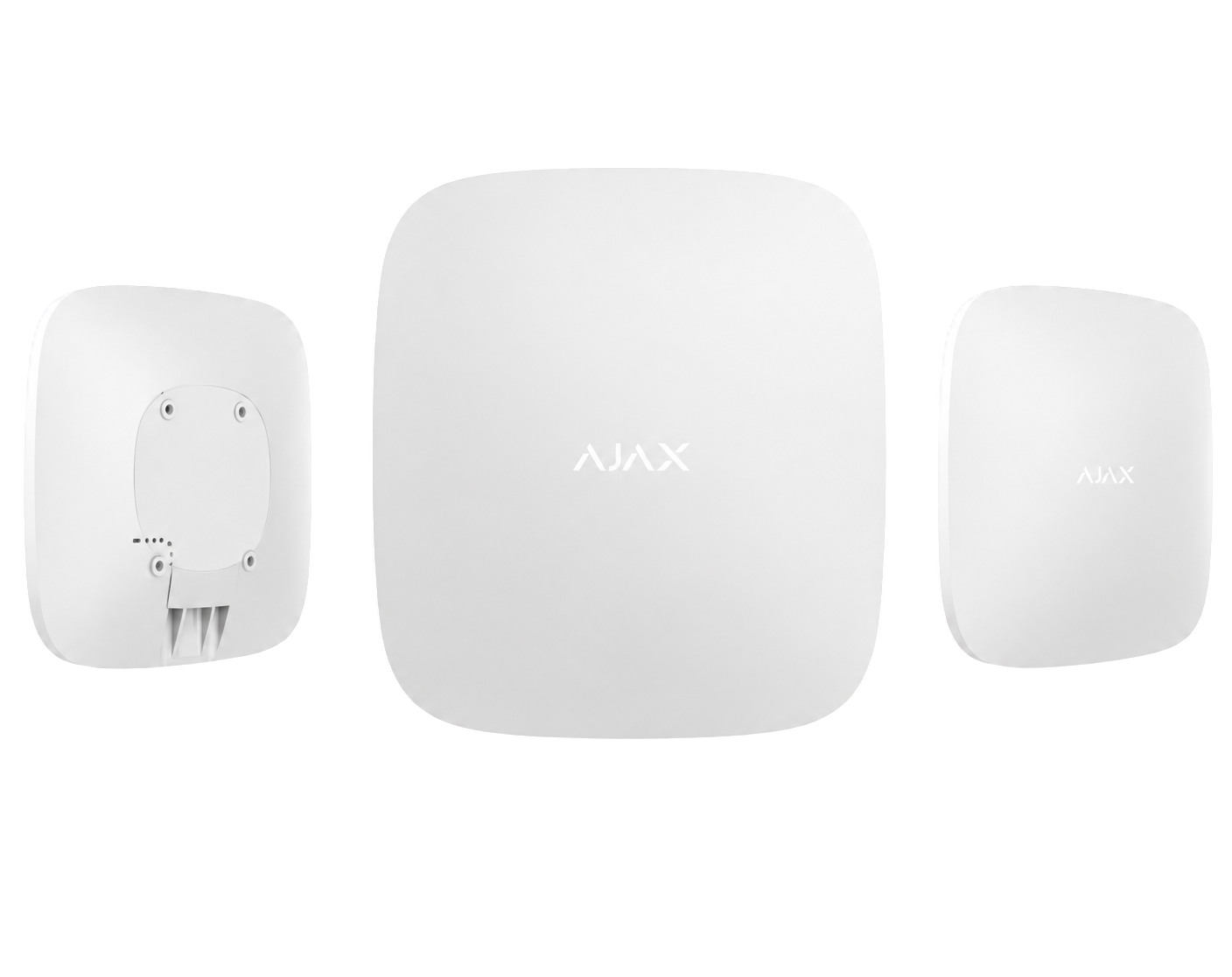
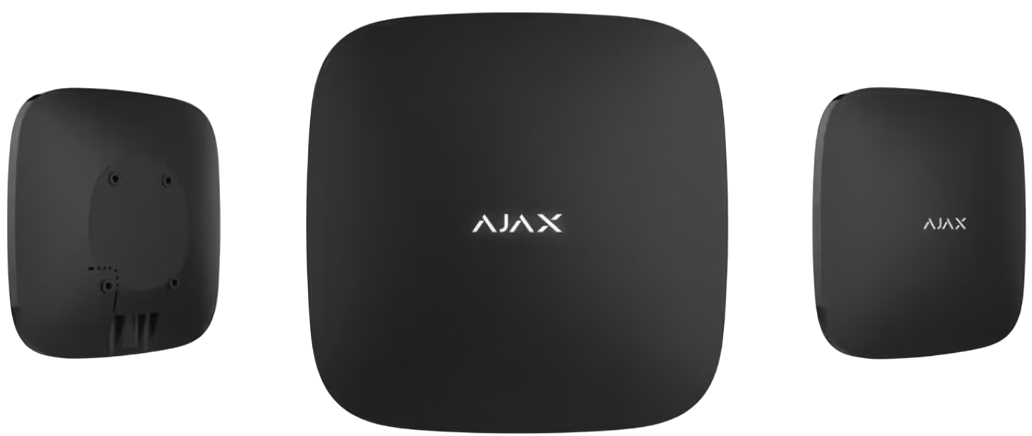
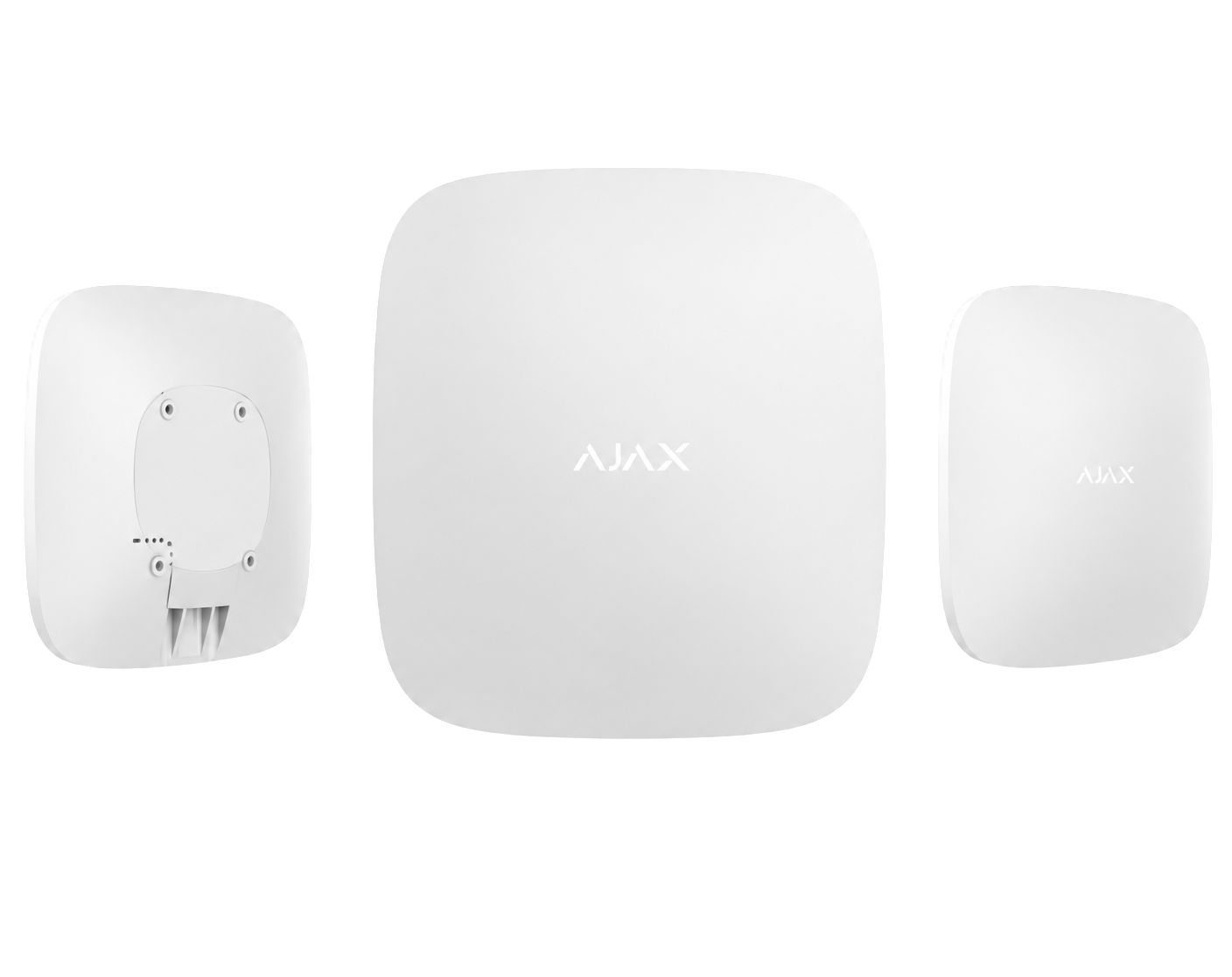
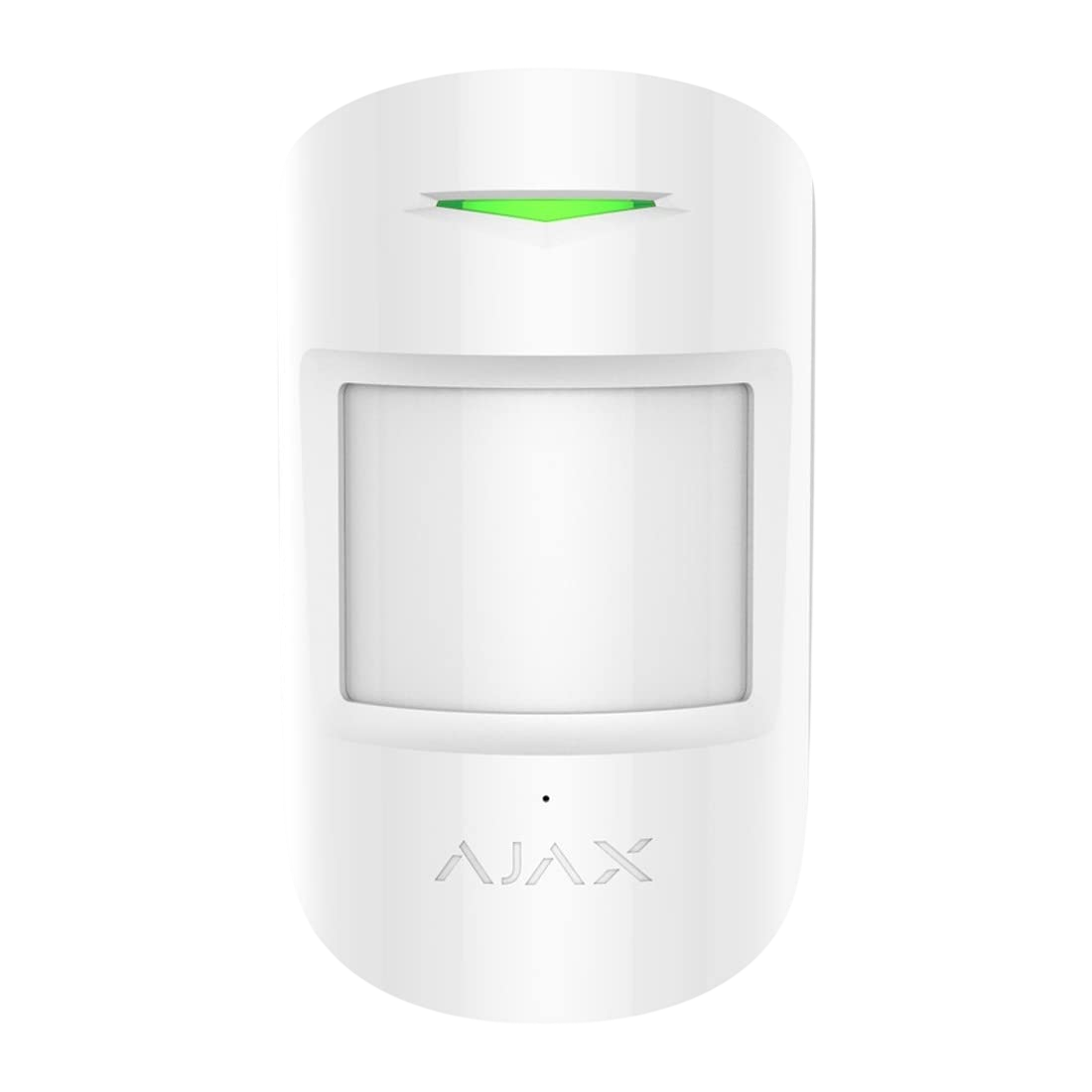
We have combined the functions of our two detectors and created a universal security solution for different types of objects — CombiProtect Jeweller. The device features software algorithms to prevent false alarms and has two primary functions — motion detection and glass break detection. Both sensors can be remotely configured in the app, as well as the required sensitivity level. It is also possible to test the device via the app. The intuitive interface and hassle-free installation create a satisfying PRO and end-user experience.
Combined motion and glass break detector CombiProtect Jeweller
Burglar alarm detectors were installed mainly in shops, shopping centres, public places, and industrial enterprises until recently. Today, living quarters have been added to the list above.
Motion sensors detect objects that move and react to them, giving users control of the space. A device for fixing the movement of objects allows users to control the situation in a guarded space.
After activating the motion detector, several automated actions are triggered, which depend on the settings:
When choosing a motion sensor, it is vital to understand its types, differences and possible applications.
According to the principle of operation, motion sensors are divided into several types:
Motion sensors are used only in combination with other devices and electrical appliances, complex, multicomponent systems.
Using motion detectors
Motion detectors are connected to other devices because they only detect changes in the territory under protection and send a signal. The connected systems react in the right way. Before choosing a detector, the user needs to understand the most common uses of motion sensors and choose a device according to their needs.
Sensors for security alarms
The primary function of motion sensors for security is a reaction to the movement of objects. With their help, it is possible to prevent intrusion into the protected area and damage to property.
Security systems are used not only in large industrial buildings and commercial enterprises. Devices of this kind are widely used to ensure the security of banks, museums, etc. Motion sensors are installed in private premises, connected to video cameras and alarms, and displayed on the control panel of a security organisation if the user wishes.
Motion sensors for smart home
The advantage of using motion sensors in the alarm system lies in several device features:
A light sensor in the cabinet
Motion detectors are often used for kitchen cabinets, interior lighting, and mezzanines. In the dressing room, wardrobe or shelving, manufacturers increasingly install motion detectors that turn on the light.
Motion detector for animals
The motion detectors and spotlights, installed in the feeding area, allow the pet to eat in comfortable lighting. And the owners definitely will not step on a fluffy tail in the dark.
Motion sensors are installed in tandem with other types of detectors. One of the most common is a glass break sensor for an alarm.
Glass break detector
Glass break detectors are one type of burglar alarm detector. The sensor aims to respond to the sound of breaking the glass sheet. Such sensors are used as an additional means of detecting intrusion into a protected area.
Glass break detectors are tuned to respond to the sound when glass is broken. This sound can manifest itself in different ways: the first sound is a blow to the glass sheet, and the second sound arises from the deflection of the glass from the struck object. This is followed by the sound of fragments ringing. With the help of a sensitive microphone on the sensor board, all sounds are picked up and processed by an electronic circuit, "which decides" on the alarm signal.
The glass break detector should be installed on the ceiling or a wall at a certain distance from the window or on the wall of the protected premises. To verify the correct installation and configuration, the user needs to test the sensor using devices that imitate the sound of breaking glass.
For maximum reliability, the glass break sensor is combined with other detectors. Motion detectors and reed switches on windows and doors use a glass break sensor for reliable protection. Or, there are combined motion and break sensors.
Combined motion and break detector CombiProtect Jeweller
The CombiProtect Jeweller wireless motion and glass break detector detect human movement and glass breaking in a protected area.
The CombiProtect Jeweller wireless detector combines the functions of two detectors — glass break and motion. The device captures human movement in a protected area at a distance of up to 12 metres and determines the breaking of a glass at a distance of up to 9 metres.
The principle of operation of a wireless motion and glass break sensor is based on detecting infrared radiation from living beings. When a security sensor detects such radiation, it analyses the object's weight, and if it is above 20 kg, it sends an alarm signal to the central security alarm unit. The algorithm for processing the received signal provides a thorough check of the object in terms of mass and movement, which reduces the risk of false alarms from animals.
Using this principle of operation, the CombiProtect Jeweller motion and glass break detector are triggered only when a person's movement is detected. The detector does not respond to the movement of inanimate objects. If clothes fall from the hanger in the room or a draft opens the door, the sensor will not be activated.
Thanks to a particular microphone, the glass break and motion sensor detect and record specific low and high-frequency sounds from glass breaking. If a glass sheet is broken in a protected area, the detector picks up these sounds and sends an alarm signal via radio to the central alarm unit. The wireless security sensor reacts exclusively to the sound of broken glass, ignoring other loud sounds using a unique multi-stage analysis.
The wireless detectors works based on a wireless radio communication system that uses anti-forgery and message encryption. Thus, the alarm system is protected from attempts to enter the protected area. The wireless combined sensor also has a state-of-the-art, highly reliable communication system that allows it to operate within multiple floors of a building or up to 2,000 metres away from a central alarm unit in the absence of obstructions.
The CombiProtect Jeweller wireless motion and glass break detector can protect any objects: private houses, apartments, cottages, shops, offices, warehouses, industrial premises, etc. Convenient and easy sensor installation on an intelligent mount without disassembling the case is one of the advantages.
Conclusion
The CombiProtect Jeweller is a wireless motion and glass break detector designed to provide reliable security in various settings. Combining the functions of a glass break sensor and a motion sensor offers comprehensive protection for up to 12 metres of movement. It detects glass breaking up to 9 metres away. With features like infrared radiation detection and a sensitive microphone for specific sound recognition, the device minimises false alarms caused by inanimate objects or pets. It boasts easy installation, tamper protection, energy efficiency with a long battery life of up to 5 years, and advanced communication security measures. The CombiProtect Jeweller is an effective solution for safeguarding homes, offices, and other premises, ensuring peace of mind and timely intrusion detection.