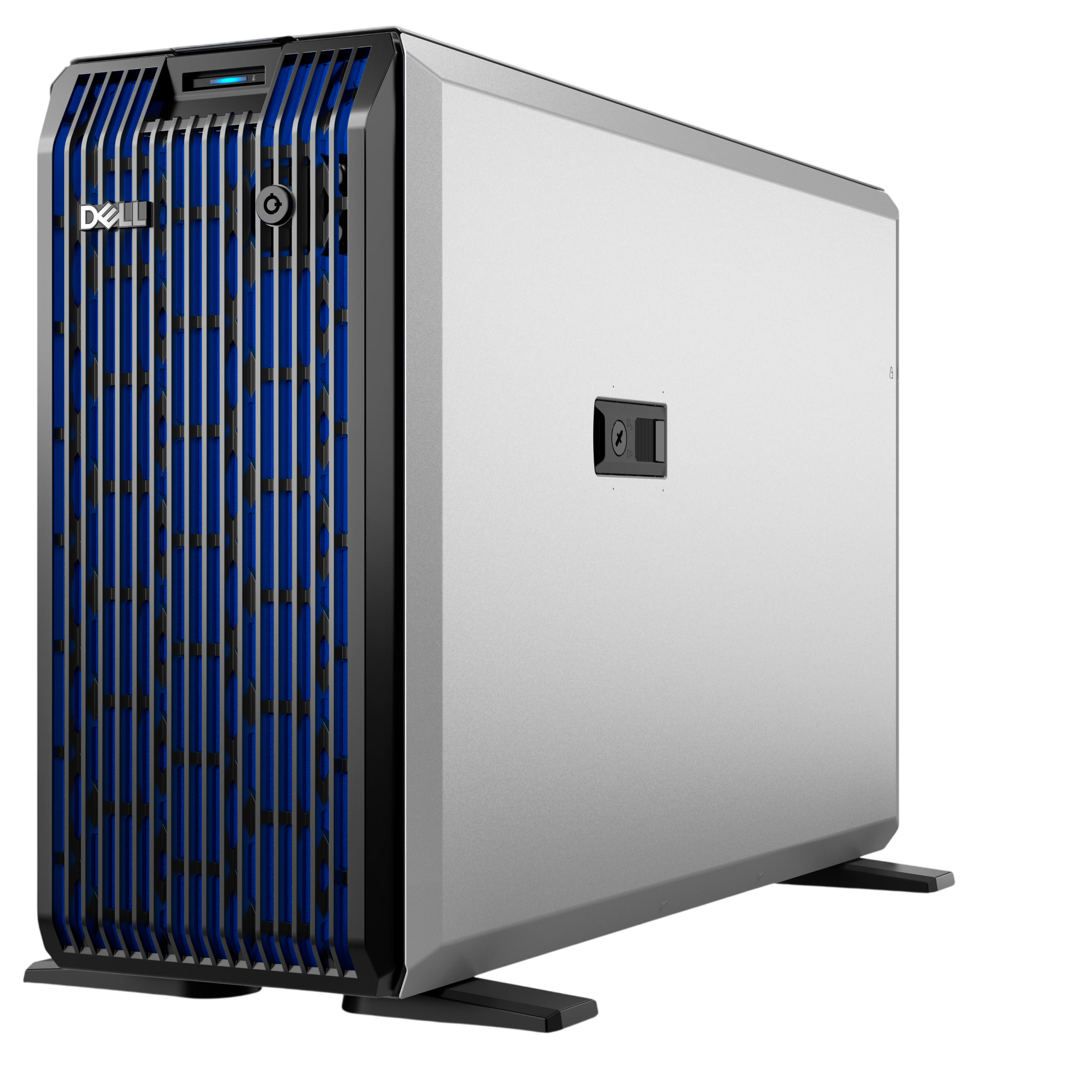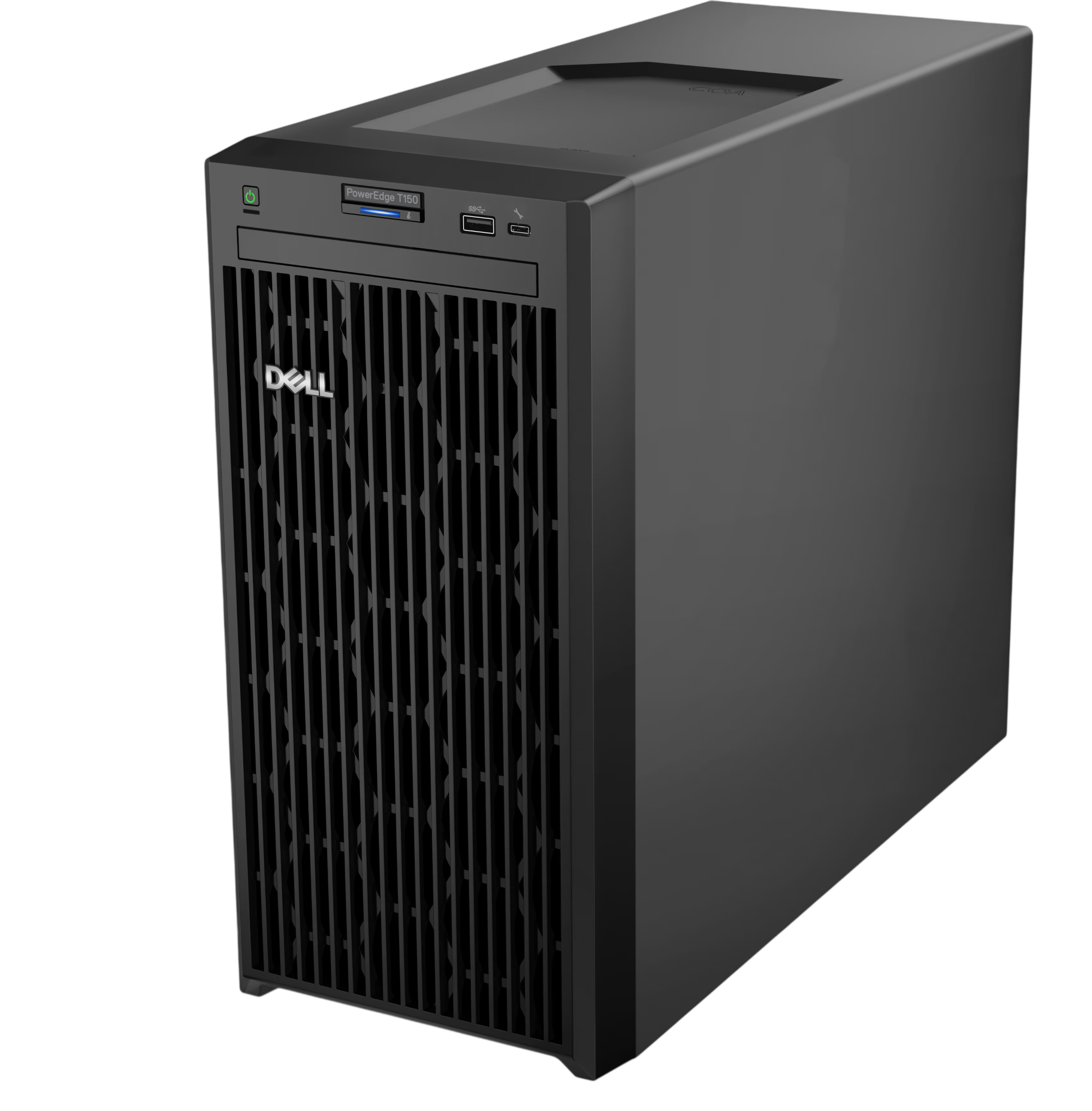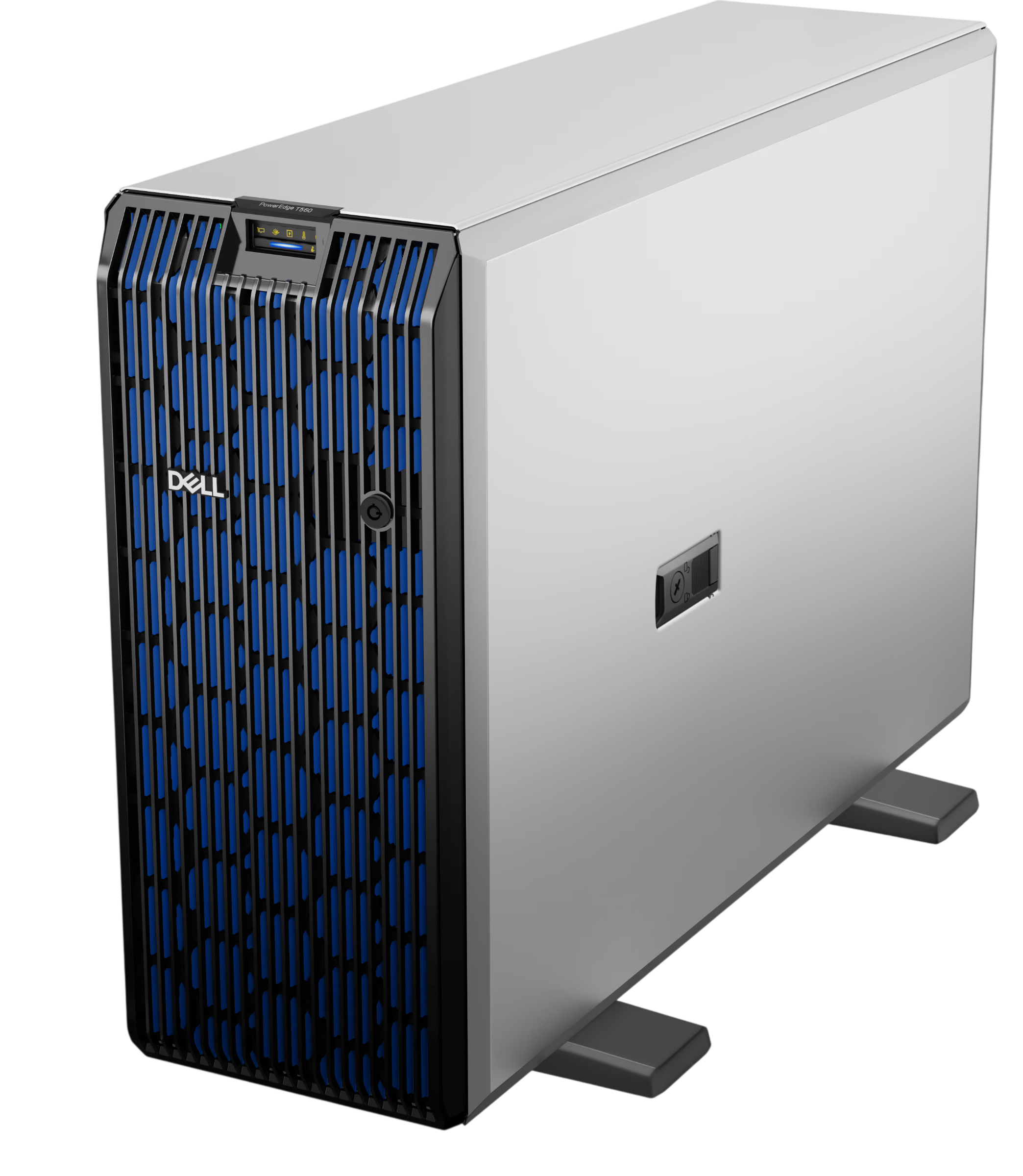
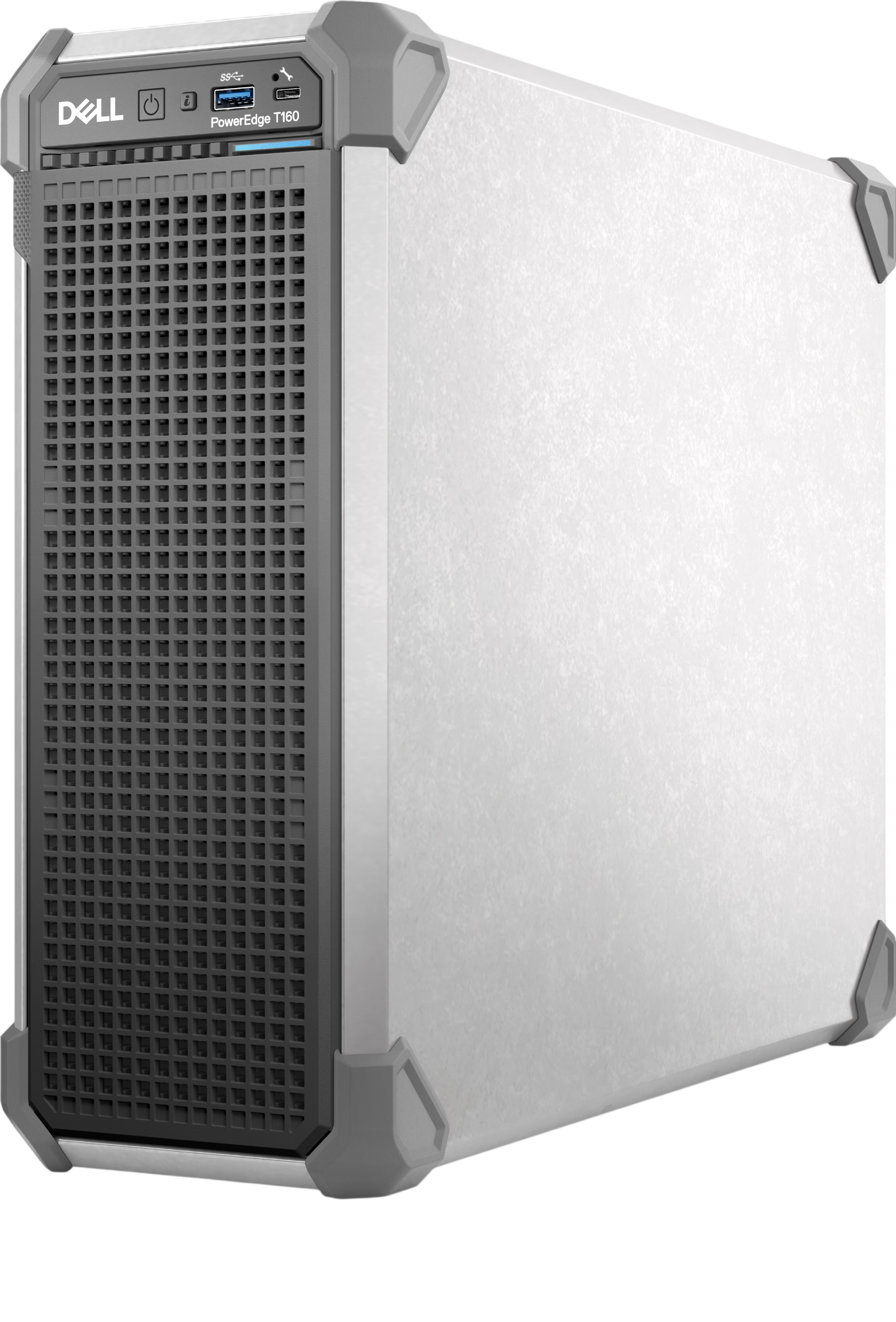
PowerEdge T160 - 1 Socket - 3U Tower Server for Near-Edge and SMB applications
(DELL)
PROCESSOR : 1 × Intel® Xeon® 6 6300 Series Processor
MAX MEMORY : 4 × 32 GB DDR5 RAM (Up to 128 GB)
MAX STORAGE : Up to 63 TB
GPU : N/A (No Dedicated GPU Support)
NAME
Dell PowerEdge T160 Tower Server
PROCESSOR
• Intel® Xeon® 6300 Series Processor (Up to 8 Cores)
• Intel® Xeon® E-2400 Series Processor (Up to 8 Cores)
• Intel® Pentium® G7400 / G7400T Processor (2 Cores)
OPERATING SYSTEM
• Canonical® Ubuntu® Server LTS
• Microsoft® Windows Server® with Hyper-V
• Red Hat® Enterprise Linux
• SUSE® Linux Enterprise Server
• VMware® ESXi®
CHIPSET
• Intel® C262 Chipset
MEMORY
• 4 × DDR5 ECC UDIMM Slots
• Memory Speed: Up to 4400 MT/s
• Maximum Memory: 128 GB ECC UDIMM
STORAGE
• Up to 3 × 3.5" SAS/SATA HDD/SSD (Max 48 TB)
• Up to 3 × 3.5" + 2 × 2.5" SAS/SATA HDD/SSD (Max 63.36 TB)
• Up to 3 × 3.5" Chip SATA + 2 × 2.5" NVMe (Max 63.36 TB)
• Up to 3 × 3.5" PERC SAS/SATA + 2 × 2.5" NVMe (Max 63.36 TB)
• Boot Optimized Storage Subsystem (BOSS-N1) with Dual M.2 NVMe SSD Support
• USB Boot Support
STORAGE CONTROLLERS
• HBA355i Adapter
• PERC H355 Adapter
• PERC H755 Adapter
• HBA355e External Adapter
• S160 Software RAID
SECURITY
• TPM 2.0 (FIPS & CC-TCG Certified)
• Secure Boot
• Secure Erase
• Silicon Root of Trust
• Cryptographically Signed Firmware
• Data-at-Rest Encryption (SED Support)
• Secured Component Verification
• Secured-Core Server
• System Lockdown (iDRAC9 Enterprise/Datacenter)
MANAGEMENT
• iDRAC9
• iDRAC Direct
• iDRAC RESTful API with Redfish
• iDRAC Service Module
• OpenManage Enterprise Suite
• CloudIQ for PowerEdge
• OpenManage Mobile
• Dell Repository Manager
• Dell System Update
• RACADM CLI
• IPMI
• VMware vCenter & Microsoft System Center Integration
• Windows Admin Center Integration
• ServiceNow Integration
• Red Hat Ansible Modules
• Terraform Providers
NETWORKING
• 2 × 1GbE LAN Ports
PORTS
• Front: 1 × iDRAC Direct (Micro-USB), 1 × USB 3.2 Gen1
• Rear: 1 × Dedicated iDRAC RJ-45, 3 × USB 2.0, 3 × USB 3.2 Gen1, 1 × Serial, 1 × VGA, 2 × Ethernet
• Internal: 1 × USB 3.2 Gen1
EXPANSION SLOTS
• Slot 1: PCIe x8 (x4 Bandwidth), Half Height, Half Length
• Slot 2: PCIe x16 (x16 Bandwidth), Half Height, Half Length
POWER SUPPLY
• 300W Bronze (100–240V AC)
• 500W Platinum (100–240V AC)
CHASSIS
• 3U Tower Server
• Up to 2 Cooling Fans
• Filter Bezel
DIMENSIONS & WEIGHT
• Height: 332.5 mm (With Feet) / 329.5 mm (Without Feet)
• Width: 132.52 mm
• Depth: 408.8 mm (With Bezel) / 403.8 mm (Without Bezel)
• Maximum Weight: 11.64 kg
WARRANTY
• Dell Limited Hardware Warranty (As Per Region/Configuration)
• Innovate Where You Never Thought Possible
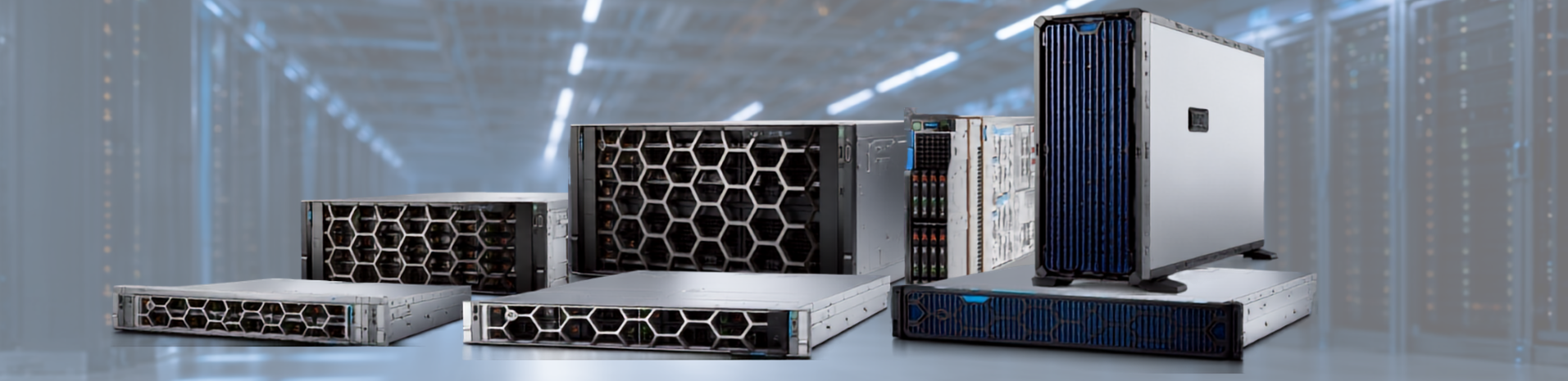
Deploy massive compute anywhere with the latest generation of powerful, secure Dell PowerEdge servers engineered to accelerate automation, innovation, and business growth.
• Your Innovation Engine
The Dell PowerEdge T160 is a single-socket 3U tower server designed for Near-Edge deployments and small-to-medium businesses (SMBs), delivering enterprise-class performance with room to scale for the future.
• Compact and Powerful Design
Redefine space-saving performance with a compact 17-liter chassis that offers office-friendly acoustics, easy-to-maintain filter bezels for dust protection, flexible upgrade options, and enterprise-level capabilities at an affordable price. Built using recycled materials with reduced chemical usage and an unpainted steel chassis.
• OpenManage Systems Management
Simplify IT operations with the Dell Technologies OpenManage portfolio. Discover, deploy, monitor, manage, update, and secure your PowerEdge infrastructure through a unified and intelligent management platform.
• Intelligent Automation
Enhance operational efficiency with integrated management tools including PowerEdge iDRAC, OpenManage Enterprise, and CloudIQ. These solutions help automate server lifecycle management, optimize IT operations, and support business scalability.
• Built-in Security
Protect your infrastructure throughout its lifecycle with Dell's cyber-resilient architecture. Features such as Silicon Root of Trust, Secured Component Verification, Signed Firmware, Drift Detection, BIOS Recovery, and Dynamic System Lockdown help support a Zero Trust security strategy and ensure comprehensive system protection.